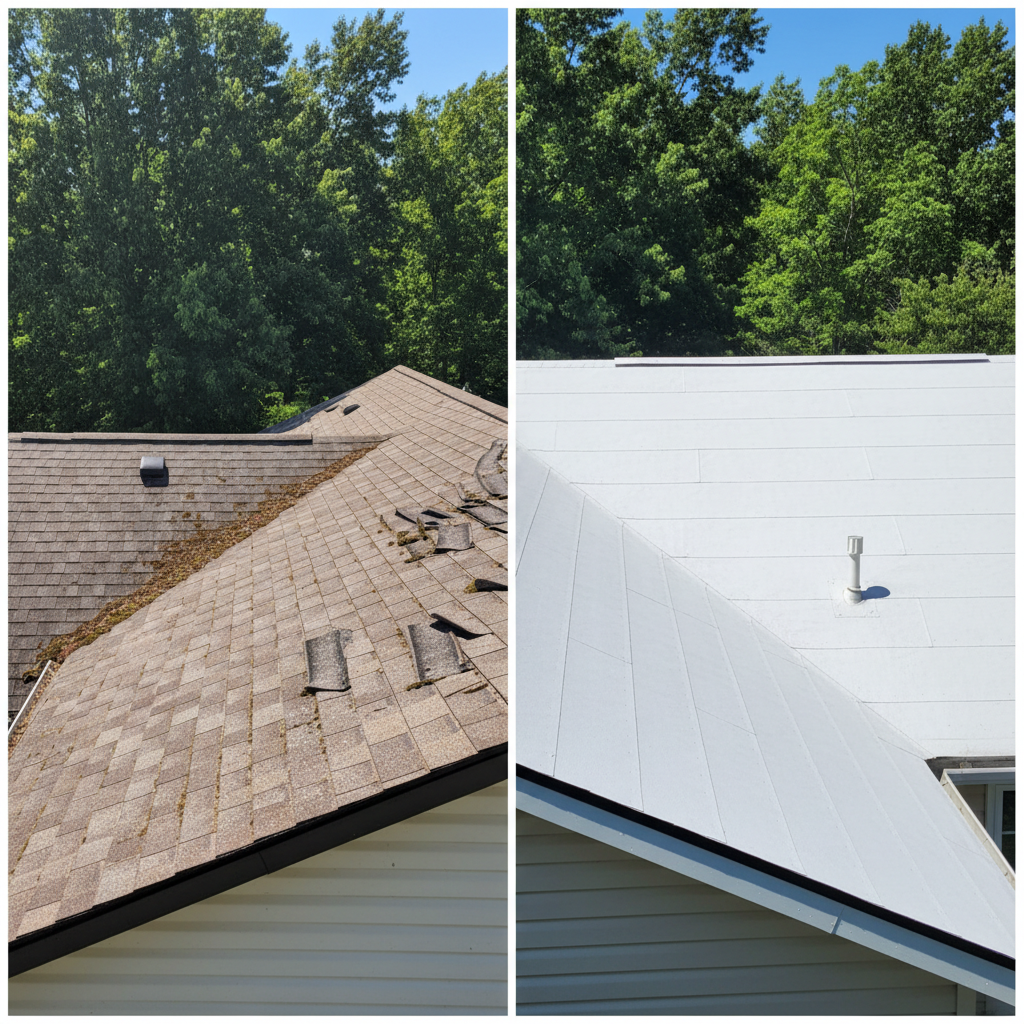
When property owners evaluate low-slope roofing options around Wake County, thermoplastic polyolefin usually tops the list. But choosing the material is only half the battle. Property owners also have to figure out how the material gets installed and attached. Holly Springs Roofing Solutions sees property owners wrestling with two main paths for TPO roofs, and each comes with distinct tradeoffs for the local climate in Holly Springs, NC.
Fully Adhered Versus Mechanically Attached Systems
The biggest decision you will make regarding your TPO layout comes down to how the membrane secures to the deck. Mechanically attached roofs use rows of heavy-duty plates and fasteners driven right through the insulation into the roof deck. Fully adhered systems skip the surface penetrations and glue the entire membrane down using a specialized bonding adhesive.
Here is how they stack up in the real world:
- Mechanically attached setups cost less upfront because the labor goes faster.
- Fully adhered options cost more initially due to adhesive expenses and application time.
- Fully adhered systems handle high winds far better since the wind stress distributes evenly across the whole glued surface rather than pulling on isolated fastener points.
How They Handle Holly Springs Weather
Intense summer storms sweep through the Triangle, bringing sudden high winds and torrential downpours. If you use a mechanically attached roof, those high wind events put stress directly on the seams and fastening rows. Over years of thermal expansion and contraction from roasting July afternoons down to freezing winter nights, those fasteners can start to back out or fatigue.
A fully adhered roof holds tight against wind uplift because the entire sheet acts as one solid unit. When water pools after a heavy rain, which is something flat roofs deal with constantly, adhered membranes stay firmly bonded to the substrate. Mechanically attached membranes can experience flutter under the surface during severe windstorms, which eventually stresses the seams.
Maintenance and Long-Term Durability
Maintenance requirements depend heavily on your installation choice. Mechanically attached roofs require regular checks around fastener plates to make sure moisture is not finding its way down through the screw penetrations. If a seam fails on an adhered roof, the damage is usually localized because the glue stops water from traveling far beneath the membrane. Holly Springs Roofing Solutions always points out that while fully adhered systems require a larger upfront investment, they generally outlast mechanically attached alternatives by several years in the regional climate of Holly Springs, NC.
Appearance-wise, both start out clean and white, reflecting the scorching sun and keeping cooling bills manageable. However, mechanically attached roofs can sometimes show slight ridging over the fastener lines as the insulation shifts or compresses over time. Adhered roofs maintain a smoother, sleeker profile from the street level.
For most commercial buildings in our area, going with a fully adhered TPO system makes the most sense. For homes and businesses in Holly Springs, Holly Springs Roofing Solutions provides TPO Roofing services.