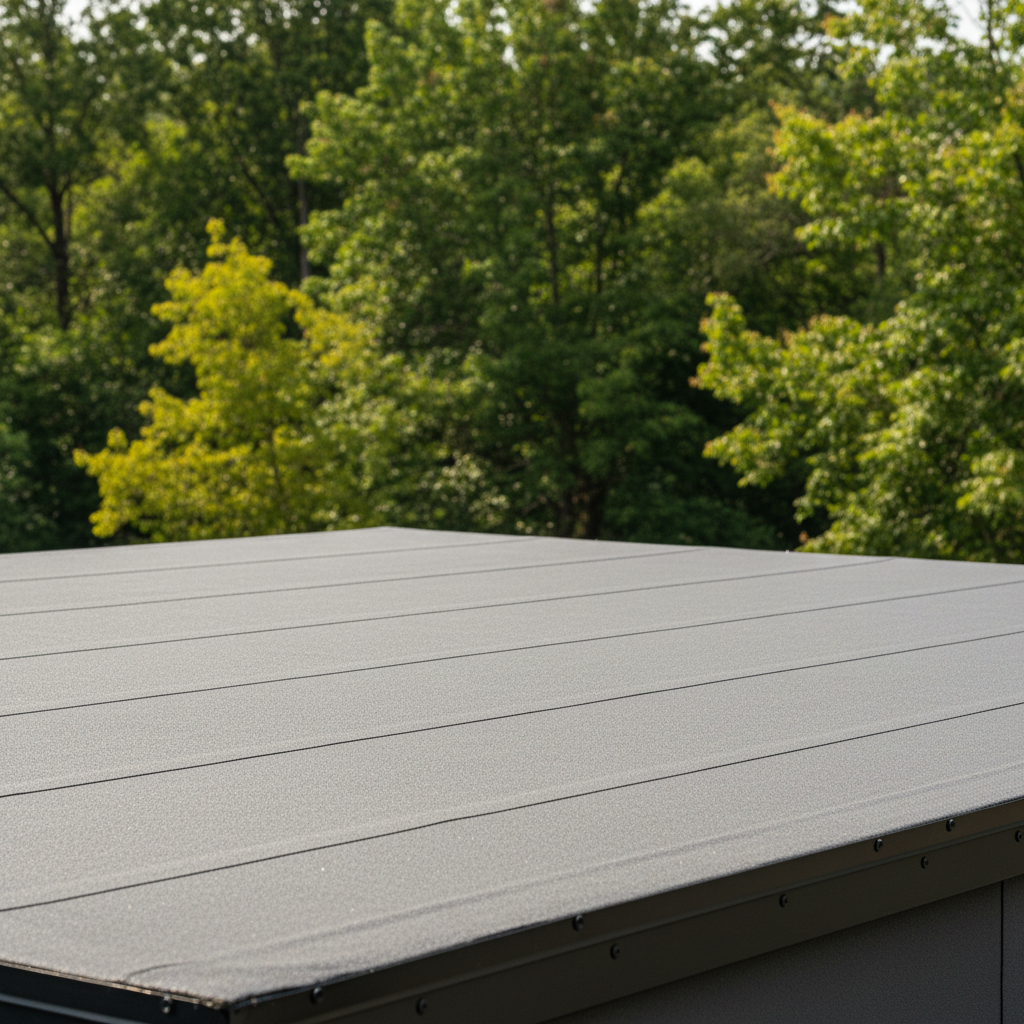
Flat Roofs in Holly Springs: What Homeowners Need to Know
Flat roofs aren't quite as common around Holly Springs as those with a steep pitch, but you definitely see them. They pop up a lot on modern additions, garages, or even some commercial-style homes, especially in neighborhoods like 12 Oaks. These roofs play by their own rules, and if you're thinking about getting one, or already have one, it's really important to understand what you're dealing with. I've seen some great ones and some real duds, and the difference usually comes down to knowing your stuff and getting it installed right.
Before You Start: Planning Your Flat Roof Project
Before we even get into materials, let's cover the absolute basics. Flat roofs aren't actually flat; they need a slight slope for water to drain off. We're talking at least 1/4 inch per foot. If you don't have that slope, water just sits there, and believe me, that's asking for trouble. Ponding water is the enemy of any roof, but it's especially bad for a flat one. It wears down materials much faster, causes leaks, and can even lead to structural problems over time.
Materials Matter
You've got a few main choices for flat roofing materials. Each one has its good points and its not-so-good points:
- TPO (Thermoplastic Polyolefin): This is probably the most popular pick these days, especially for houses. It's a single-ply membrane, usually white or light-colored, which helps bounce sunlight away and keeps your attic cooler. It's tough, fairly easy for pros to put in, and pretty good on the wallet in the long run.
- EPDM (Ethylene Propylene Diene Monomer): Often called 'rubber roofing,' EPDM is another single-ply membrane. It's typically black, so it soaks up more heat, but it's incredibly strong and stands up well to hail and punctures. A solid, dependable choice.
- Modified Bitumen: This is a more old-school option, often laid down in layers with a torch (though you can get self-adhering versions now). It's basically asphalt beefed up with polymers. It's durable but can take more work to install and has a slightly higher chance of problems if a really experienced crew isn't doing the job.
DIY vs. Pro: Know Your Limits
Can you put in a flat roof yourself? Look, I'm all for homeowners tackling projects, but this isn't one I'd suggest for most folks. Flat roofing needs special tools, specific methods, and a real grasp of proper flashing and drainage. A tiny mistake can lead to huge water damage down the road. You might save a few bucks upfront, but you'll end up paying ten times that in repairs. This is definitely a job for a professional roofing contractor, like us here at Holly Springs Roofing Solutions.
During the Project: What to Expect from Your Contractor
Once you've picked your material and hired a good contractor, here's what should happen:
- Thorough Inspection and Prep: The old roof has to come off, and the deck underneath needs a good look-over for rot or damage. Any soft spots? They need replacing.
- Proper Insulation: Flat roofs often do best with tapered insulation boards. These create that crucial slope for drainage. It's not just about saving energy; it's vital for managing water.
- Expert Installation: Whether it's TPO, EPDM, or Modified Bitumen, the seams are the most important part. They have to be perfectly sealed. For TPO, that means hot-air welding. For EPDM, it's adhesive. Modified Bitumen uses torching or self-adhesion. Any gaps or weak points will leak, guaranteed.
- Flashing Details: This is where a lot of flat roof problems start. The edges, parapet walls, vents, and any penetrations need careful flashing. It's not just slapping on some sealant; it's about creating watertight transitions.
- Clean-up: A good crew will leave your property just as clean as they found it, maybe even cleaner.
After the Project: Maintenance and What You Can Do
So, your new flat roof is on. Fantastic! But the work isn't quite finished. Flat roofs demand a bit more attention than a steep-sloped shingle roof.
- Regular Inspections (Your Job!): I always tell people to check their flat roof at least twice a year – once in the spring and again in the fall. After any big storm, especially those heavy summer downpours we get, go up there and take a look around.
- Clear Debris: Leaves, twigs, and other junk can pile up, particularly in corners or near drains. This can stop water from flowing and cause ponding. Keep it clear.
- Check Drains and Scuppers: Make sure your roof drains or scuppers (those openings in the parapet wall for water to flow out) aren't clogged.
- Look for Ponding: If you see water sitting on your roof for more than 48 hours after it rains, that's a red flag. It means your slope isn't enough, or there's a low spot. Call your contractor right away.
- Inspect Seams and Flashing: Even the best materials can show wear over time. Look for any lifting, cracking, or deterioration in the seams and around the flashing. Small issues can be patched, but catching them early is everything.
- Avoid Foot Traffic: Unless it's absolutely necessary for maintenance, try to keep people off your flat roof. Walking on it can damage the membrane, especially when it's hot out.
You can handle the debris clearing and visual checks yourself. If you spot anything concerning – a lifted seam, a crack, or water that just won't go away – please don't try to fix it with a tube of caulk. That's when you call in the pros. We've got the materials and know-how to make proper repairs that will last. Taking good care of your flat roof will make it last much longer, saving you headaches and money down the road.