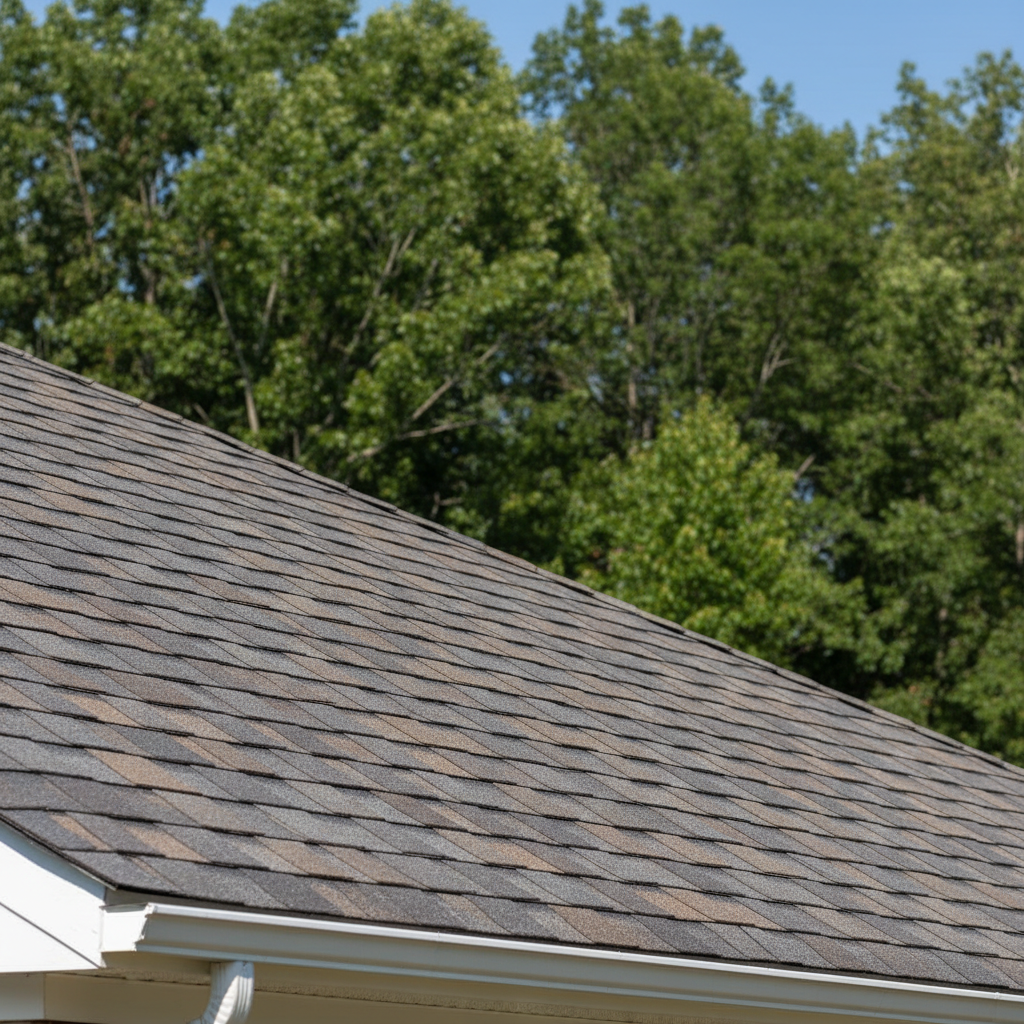
So, you're thinking about a new roof. It's a big deal, I know. For most homeowners, it's one of the biggest investments you'll make in your house. And it's not just about aesthetics; it's about protecting everything underneath it. As someone who's been doing this in Holly Springs for years, I've seen it all. Here's a practical guide to help you through the process, from start to finish.
Before the Shingles Come Off
This is where you can do a lot of legwork, and it'll save you headaches later. First off, figure out if you even need a full replacement or if a repair might do the trick. If you're seeing widespread granule loss, lots of curled or cracked shingles, or water stains on your ceiling, it's probably time. But sometimes, a few missing shingles after a storm or a small leak can be fixed without tearing everything off.
Get multiple quotes. Don't just call the first guy you see online. Talk to at least three reputable contractors. Ask for references, check their licenses and insurance. You want to make sure they're legitimate and covered in case something goes wrong. A good contractor won't mind you asking these questions; in fact, they'll expect it.
Understand the materials. There are a lot of options out there: asphalt shingles, metal, synthetic, cedar shakes. Asphalt is common here in Holly Springs, especially in neighborhoods like 12 Oaks or Sunset Ridge, but metal roofs are gaining popularity for their durability. Each has its pros and cons regarding cost, lifespan, and appearance. Do a little research, and then talk to your contractor about what makes sense for your home and budget.
One thing you can definitely do yourself is clear the perimeter. Move patio furniture, grills, potted plants, and anything else away from the house. This protects your stuff and gives the crew room to work. Trust me, it makes a big difference.
During the Project: What to Expect
Once you've picked a contractor and signed on the dotted line, the work begins. This is usually where you step back and let the pros do their job, but it's good to know what's happening.
- Noise and Debris: It's going to be loud. Really loud. There's tearing off old shingles, hammering, and general construction noise. If you work from home or have young kids, plan accordingly. There will also be debris. Good contractors, like us at Holly Springs Roofing Solutions, use tarps and magnets to catch as much as possible, but some nails and small pieces of shingle might escape.
- Protect Your Property: While the crew will do their best, it's wise to take extra precautions. If you have delicate landscaping close to the house, consider covering it with old sheets or tarps. Park your cars away from the house, too – you don't want a stray shingle or nail landing on your windshield.
- Communication is Key: A good project manager will keep you in the loop. If you have questions or concerns during the job, don't hesitate to ask. It's your home, and you have every right to know what's going on.
- Weather Delays: We get our share of pop-up thunderstorms here in North Carolina, especially in the summer. If rain is in the forecast, the crew might have to pause or reschedule. That's for your protection; you don't want your roof exposed to the elements any longer than necessary.
After the Last Nail Is Hammered
The crew's packed up, the dumpster's gone, and you've got a shiny new roof. But you're not quite done yet.
Do a walk-around. Check for any leftover debris, especially nails. Even with the best cleanup, a few might get missed. Look at the flashing around chimneys and vents; make sure it looks neat and secure. Check your gutters for any shingle granules or small pieces that might have washed down.
Final inspection and payment. Your contractor should do a final walk-through with you. This is your chance to point out anything you're not happy with or ask any lingering questions. Make sure you're satisfied before making the final payment. Don't pay 100% upfront; a reputable contractor will usually ask for a deposit and then the balance upon completion.
Get your warranty information. You should receive warranties for both the materials and the contractor's workmanship. Keep these in a safe place. They're important if you ever have an issue down the road. Most shingle manufacturers offer a pretty solid warranty these days, but it's only as good as the installation.
Maintaining your new roof is pretty straightforward. Keep your gutters clean, trim back any tree branches that are rubbing or hanging over the roof, and get it inspected every few years. Even with a brand new roof, regular check-ups can catch small issues before they become big problems. It's all about protecting your investment.
```